Best bee smoker
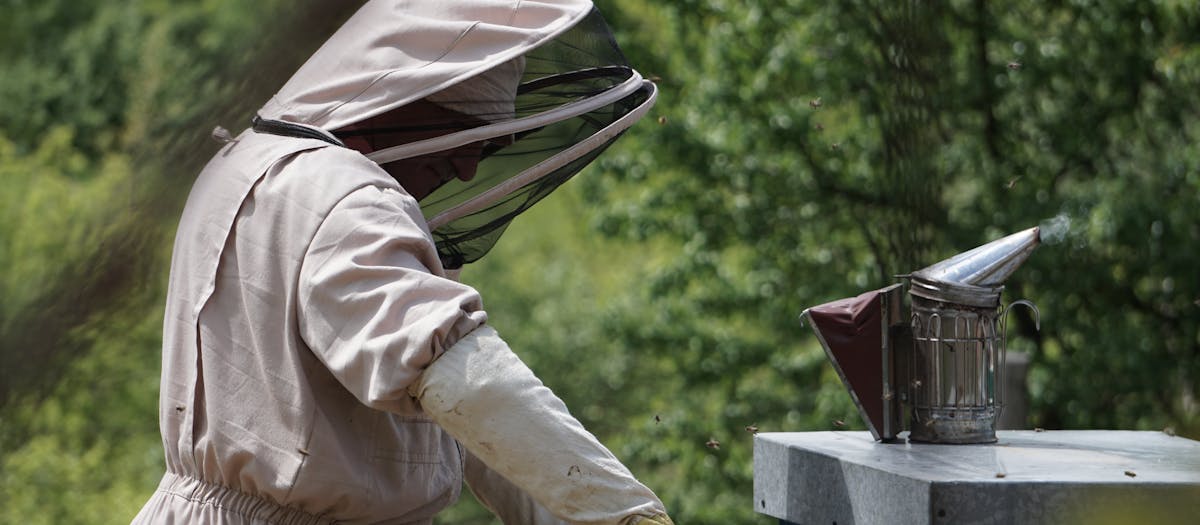
The smoker is the cheapest tool that changes a hive inspection most. A few puffs of cool smoke calm the colony and mask the alarm scent, so the bees stay manageable while you work — and a calm hive is a safer, more pleasant one to learn on. This guide explains the five specs that decide whether a smoker is a joy or a frustration — size, material, heat shield, bellows and capacity — then points you to the picks once they are verified.
A note on how to read this. The most common beginner complaint about smokers is not price or looks — it is a smoker that keeps going out. So the value here is the framework — what each spec changes — so you can shortlist a smoker that stays lit and feels safe in the hand, then compare the options. Read the framework first, then look at the picks.
How to choose a bee smoker
Five things decide whether a smoker suits you. Run any smoker through these — they are exactly the columns in the comparison below.
Size — bigger is usually easier for a beginner
A larger smoker holds more fuel, stays lit far longer, and is less likely to die halfway through an inspection — which is the number-one beginner frustration. A small smoker is lighter and fine for a quick one-hive check, but for a single all-rounder lean larger. The tools hub sets out how the smoker fits the rest of the inspection kit.
Material — stainless steel for durability
Stainless steel resists rust, takes the heat, and lasts years — the practical choice for most beginners. Galvanised steel is cheaper but less durable; copper costs more and is prized partly for looks. For a first smoker, stainless steel is the sensible default that you will not need to replace.
Heat shield — a small feature that prevents a real burn
A heat shield is a wire guard around the firebox that stops you burning your hand on the hot metal and stops the smoker scorching whatever you set it on. It is a small thing that prevents a common, painful mistake. For a beginner, choose a smoker that has one.
Bellows — the part that decides reliability
The bellows is the air pump that keeps the fuel smouldering, and its quality matters more for daily use than the body metal. Look for sturdy bellows with a strong spring and a leather or durable synthetic face that will not crack. A weak or leaky bellows is the hidden reason many cheap smokers keep going out.
Capacity — matched to how many hives you keep
Capacity is how much fuel the firebox holds, which decides how long the smoker runs between refills. One or two hives need only a modest capacity; a larger apiary benefits from a bigger firebox so you are not relighting between colonies. For a first-year beekeeper with one or two hives, a medium-to-large capacity is the comfortable middle.
The smokers compared
A short list of widely available smokers, compared on the five specs above. Specs are verified against manufacturer details and current Amazon listings — no hands-on testing claims, just the figures and the trade-offs that decide the fit.
| Best for | Size | Material | Heat shield | Bellows | Capacity |
|---|---|---|---|---|---|
| Best overall | 4" diameter × 7" height | Heavy-duty stainless steel, rust-free welded base | Yes — integrated heat guard with lower bracket placement for burn-free grip | Synthetic Pro-Bellow (replaceable; high-temperature valve, high-flow pump) | Standard (4" × 7") |
| Best budget | 4" diameter × 7" canister | 201 stainless steel | Yes — wrap-around guard with side-mounted hanging hook | Synthetic leather | Standard (4" × 7") |
| Best large | 4" diameter × 11" chamber (large capacity) | Polished and welded stainless steel | Yes — welded metal fall-and-heat cage | Leather | Large — extended burn, less reloading between hives |
| Best with extras | 4" diameter × 7" height | Stainless steel body | Yes — wire grid shield around the base | Suede leather | Standard (4" × 7") |
| Best small / starter | 2" diameter × 7" height (X-Small) | 201 stainless steel | Yes — metal shield to protect hand from burns | Synthetic leather | Small — uses less fuel; ideal for a single hive |
Our top picks
Best overall: Mann Lake Stainless Steel Bee Smoker Pro Bellow, 4x7 Inch Beekeeper Tool with Heat Guard & Easy Open Lid Tab, High Flow Pump for Calm Bees, Safe Hive Inspections & Honey Harvest, Burn Free Grip Design

Best overall
Mann Lake Stainless Steel Bee Smoker Pro Bellow, 4x7 Inch Beekeeper Tool with Heat Guard & Easy Open Lid Tab, High Flow Pump for Calm Bees, Safe Hive Inspections & Honey Harvest, Burn Free Grip Design
Mann Lake
- Size: 4" diameter × 7" height
- Material: Heavy-duty stainless steel, rust-free welded base
- Heat shield: Yes — integrated heat guard with lower bracket placement for burn-free grip
- Bellows: Synthetic Pro-Bellow (replaceable; high-temperature valve, high-flow pump)
- Capacity: Standard (4" × 7")
- Best for: Hobbyist to semi-commercial beekeepers wanting a durable, long-lasting everyday smoker
The Mann Lake Pro Bellow smoker is a professional-grade stainless steel smoker built with a commercial-grade hinge, rust-free welded base, and a replaceable Pro-Bellow system for consistent high-flow smoke output. Its lower-bracket heat guard keeps your grip burn-free during extended hive work.
Last checked 2026-05-21
Best budget: New Bee Hive Smoker Stainless Steel w/Heat Shield Beekeeping Equipment

Best budget
New Bee Hive Smoker Stainless Steel w/Heat Shield Beekeeping Equipment
VIVO
- Size: 4" diameter × 7" canister
- Material: 201 stainless steel
- Heat shield: Yes — wrap-around guard with side-mounted hanging hook
- Bellows: Synthetic leather
- Capacity: Standard (4" × 7")
- Best for: Budget beginners; full stainless construction with heat shield under $25
The VIVO BEE-V001 delivers genuine stainless steel construction and a real heat shield at a budget price under $25, making it the most accessible entry-level smoker on Amazon. A perforated internal burn plate promotes airflow for consistent smoke output.
Last checked 2026-05-21
Best large: 11-inch Stainless Steel Bee Hive Smoker with 3 Pack of Smoke Pellets, One Size, GLSMKR

Best large
11-inch Stainless Steel Bee Hive Smoker with 3 Pack of Smoke Pellets, One Size, GLSMKR
Goodland Bee Supply
- Size: 4" diameter × 11" chamber (large capacity)
- Material: Polished and welded stainless steel
- Heat shield: Yes — welded metal fall-and-heat cage
- Bellows: Leather
- Capacity: Large — extended burn, less reloading between hives
- Best for: Beekeepers managing multiple hives who need longer smoke sessions without reloading
The Goodland Bee Supply GLSMKR offers a 4" × 11" large-capacity stainless chamber that holds more fuel for longer inspections, plus genuine leather bellows and a removable internal burn tray for easy cleanup. Comes bundled with 3 smoke fuel pellet packs.
Last checked 2026-05-21
Best with extras: Little Giant® Beehive Smoker and Hive Tool Kit | Bee Smoker and Fuel | Hive Tool | Beekeeping Supplies | Beehive Calming Smoker for Bees | Stainless Steel

Best with extras
Little Giant® Beehive Smoker and Hive Tool Kit | Bee Smoker and Fuel | Hive Tool | Beekeeping Supplies | Beehive Calming Smoker for Bees | Stainless Steel
Little Giant
- Size: 4" diameter × 7" height
- Material: Stainless steel body
- Heat shield: Yes — wire grid shield around the base
- Bellows: Suede leather
- Capacity: Standard (4" × 7")
- Best for: Beginners wanting a complete starter combo: smoker + burlap fuel + hive tool in one purchase
This Little Giant combo pairs a stainless smoker with a roll of untreated burlap smoker fuel and a J-hook hive tool — everything needed for first hive inspections right out of the box. The suede leather bellows and wire grid heat guard keep it practical and safe for new beekeepers.
Last checked 2026-05-21
Best small / starter: Luwint Mini Bee Hive Smoker for Kids, 7 Inch X-Small Bee Smoker for Little Beekeepers, Real Beekeeping Tools for Single Beehive and Beginers

Best small / starter
Luwint Mini Bee Hive Smoker for Kids, 7 Inch X-Small Bee Smoker for Little Beekeepers, Real Beekeeping Tools for Single Beehive and Beginers
Luwint
- Size: 2" diameter × 7" height (X-Small)
- Material: 201 stainless steel
- Heat shield: Yes — metal shield to protect hand from burns
- Bellows: Synthetic leather
- Capacity: Small — uses less fuel; ideal for a single hive
- Best for: New beekeepers and small-scale hobbyists with one hive; also suited to junior beekeepers
The Luwint X-Small is one of the few genuinely compact bee smokers on Amazon, with a narrow 2" canister that uses less fuel and is easier to handle for first-time or single-hive beekeepers. Real functional equipment rated 4.6 stars — not a toy despite the mini size.
Last checked 2026-05-21
Who should buy what
The first-year beekeeper with one or two hives
A medium-to-large stainless smoker with a heat shield. The larger firebox forgives a beginner's packing and stays lit through a full inspection, and the shield prevents the most common burn. Do not buy the smallest smoker to save a few dollars — it will frustrate you.
The keeper with a growing apiary
Go large. A bigger firebox runs longer so you can work several colonies without relighting, and a quality bellows keeps it breathing all afternoon. The extra capacity pays off the moment you have more than a couple of hives to get through.
The minimalist or quick checker
A compact smoker is lighter to carry and quicker to light for a fast look at a single hive. Just go in knowing it needs more attention to stay lit, and is better as a second smoker than a sole one.
Where the smoker fits in your kit
The smoker is one of the first tools you buy, alongside a hive tool, and it pairs with your protective gear — once you are suited up and calm, the smoker keeps the colony manageable while you work. If you have not sorted protection yet, see the best bee suit guide. Looking further ahead, the smoker is a year-one tool while a honey extractor is a year-two one — when your second-summer harvest comes, the best honey extractor guide compares the options for a small apiary.
Frequently asked questions
What does a bee smoker actually do?
A few puffs of cool smoke at the hive entrance and under the lid calms the colony and masks the alarm scent bees release when disturbed, so they stay manageable while you work through the frames. It does not harm the bees. It is the single tool that changes a hive inspection most, which is why it is the first tool most beginners should buy.
What size bee smoker should a beginner buy?
A larger smoker is generally easier for a beginner, not harder. A bigger firebox holds more fuel, stays lit far longer, and is less likely to go out halfway through an inspection — which is the most common beginner frustration. A small smoker is lighter and fine for a quick check of one or two hives, but if you are choosing one all-rounder, lean larger.
Do I need a heat shield on a bee smoker?
It is well worth having. A heat shield is a wire guard around the firebox that stops you burning your hand when you hold or move the smoker, and stops the hot metal scorching whatever you set it down on. Smokers without a shield work, but the shield is a small feature that prevents a real and common burn. For a beginner, choose one with a heat shield.
What should I burn in a bee smoker?
Cool, clean-burning natural fuels — untreated burlap, pine needles, wood shavings, dried grass or commercial smoker pellets. The goal is cool white smoke, not flame or hot smoke, which can harm bees. Never burn anything treated, painted or chemically processed. Light a small amount, get it smouldering, then pack the firebox loosely so it keeps producing smoke when you pump the bellows.
Stainless steel or copper smoker?
Stainless steel is the practical, durable choice and what most beginners buy — it resists rust, takes the heat, and lasts years. Copper smokers cost more and are prized partly for looks; they work just as well but are not worth a premium for a first smoker. Either way, the build quality of the bellows matters more than the body metal for day-to-day use.
How do I keep a bee smoker lit?
Get a good ember base going before you pack it, fill the firebox loosely so air can move, and give the bellows a gentle puff every minute or two during the inspection to keep it breathing. A larger smoker with a quality bellows stays lit far more reliably than a small one. If it keeps dying, you are usually packing it too tightly or starting with too little ember.