Beekeeping gear
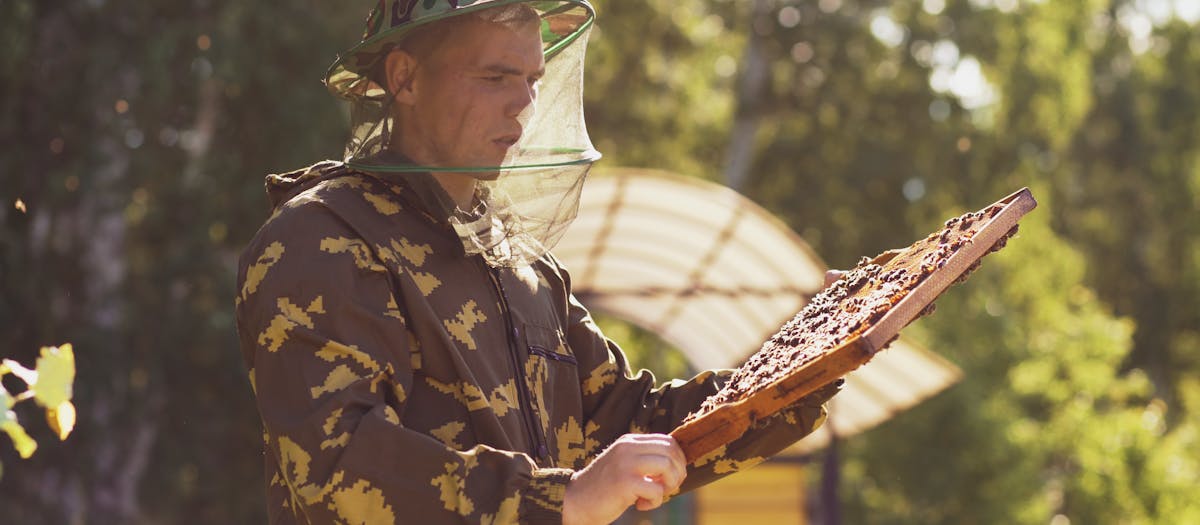
Protective gear does two jobs. The obvious one is keeping stings down. The one beginners underrate is letting you stay calm and unhurried in the hive — and calm hands keep calm bees, so good gear actually makes your bees gentler. This silo compares the wearable protection layer: full suit versus jacket, ventilated versus cotton, veil styles, and gloves. Specs are verified against manufacturer and Amazon listings; consult your state apiarist for disease and treatment.
Full suit versus jacket
The first choice is how much of you is covered. A full suit covers you from head to ankle and is the most reassuring option for a first-year beekeeper — when you are not worrying about a sting on the leg, you work more calmly. A jacket covers the upper body and zips to a veil, leaving your legs in your own trousers. It is cooler, quicker to put on for a short check, and popular with keepers who have gained confidence. My honest advice for a beginner: start with a full suit, move to a jacket later if you want to.
Ventilated versus cotton
The second choice is the fabric, and it matters more than people expect. A ventilated suit uses a three-layer mesh: bees cannot reach skin through it, and it breathes far better, which makes a real difference working hives in summer heat. The catch is cost — ventilated suits are noticeably pricier. A cotton (or poly-cotton) suit is the traditional, affordable choice; it protects well but is warmer to wear on a hot afternoon. If your summers are hot and humid, the ventilated suit earns its price. If budget is tight or your climate is mild, cotton is perfectly serviceable.
Veil styles
The veil protects your face and neck — the area you least want stung — and the style affects visibility and airflow. A fencing veil (a rounded hood that zips to the suit or jacket) is the common modern choice: good visibility, easy on and off, and it stays clear of your face. A round veil on a hat brim keeps the mesh further from your face but can feel bulkier. For a beginner, a fencing-style veil attached to the suit is the straightforward pick.
Gloves
Start with gloves while you build confidence — usually leather or goatskin with long gauntlets that cover the forearm. They cost you some dexterity, which is why many experienced keepers move to thin nitrile gloves or bare hands for fine work. There is no rush. Begin protected, and trade protection for dexterity only when you feel ready. Sizing matters: gloves that are too big make frame handling clumsy and more likely to roll a bee.
A word on sizing
Protective gear only works if it fits. Too tight and the fabric pulls against your skin, where a bee can sting through it; too loose and you snag on the hive and move clumsily. Check the manufacturer's size chart against your own measurements rather than guessing from your usual clothing size, and remember you will wear layers underneath. Sizing is one of the columns the best bee suit guide compares directly.
Featured guides
The current published guides in this silo. More land each batch.
Landing next: Best bee jacket, Best beekeeping gloves, and Ventilated versus cotton bee suit.